I Saw That Funny Christmas Skull Vintage
A Designer’s First Look: Playful, Not Precious
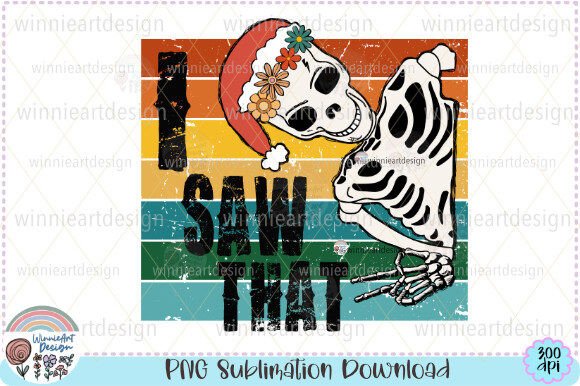
When I opened the I Saw That Funny Christmas Skull Vintage file—PNG only, 4000×4000 pixels at 300 dpi—I didn’t see a “cute” holiday motif. I saw attitude. A grinning skull wearing antlers, wrapped in holly, with a wink in its hollow eye socket and bold retro lettering that reads exactly what the title promises. It’s cheeky, not creepy; nostalgic, not dated. As a designer who’s stitched hundreds of holiday pieces for boutiques and Etsy sellers, I immediately pictured it on a heavyweight cotton tote bag for a local gift shop—slightly irreverent, fully memorable.
Where This Design Earns Its Keep
I Saw That Funny Christmas Skull Vintage thrives where personality matters more than polish. Think sweatshirt embroidery for indie coffee roasters, embroidered patches for punk-leaning craft fairs, or pillow covers for Gen X parents who still have vinyl records and zero patience for twee. It’s built for custom apparel with character—not delicate baby onesies or formal wedding gifts, but real-world handmade products meant to spark a laugh, a nod, or a double-take at the office holiday party.
- Tote bags & tea towels: The high-contrast layout holds up beautifully on textured natural fabrics—no detail gets lost in the weave when digitized well.
- Sweatshirts & crewnecks: Bold outlines and generous spacing between letters mean clean satin stitch coverage, even on midweight fleece.
- Embroidered patches: With clear silhouette definition and minimal fine-line detail, this design converts cleanly to sew-on or iron-on patch formats.
- Holiday gifts & small shop merchandise: Its vintage tone feels curated—not algorithmically generated—so it adds authenticity to your craft business branding.
Where Caution Is Required
This isn’t a one-size-fits-all embroidery file. Because it’s delivered as a PNG—not an SVG or native embroidery format—you’ll need to digitize it yourself or hire a digitizer before stitching. That means extra steps, and extra judgment calls. Here’s where I Saw That Funny Christmas Skull Vintage needs thoughtful handling:
- Small hoop sizes (under 4″): The full composition is wide. You’ll likely need to resize or crop—especially if planning cap embroidery or baby onesie placement.
- Stretchy or thin fabrics: The dense lettering and tight holly details demand solid stabilizer backing. Skip the tear-away-only approach on knits.
- Dark fabric backgrounds: Test thread colors carefully—the original PNG doesn’t include color separation guidance. What reads as crisp white in the file may vanish on navy unless you choose high-contrast thread.
- Frequent-wash items (like kitchen towels or kids’ tees): Tight fill-stitch areas (like the skull’s teeth or antler grooves) can snag or fray over time if stitch density isn’t optimized during digitizing.
What It Says About Your Finished Product
Using I Saw That Funny Christmas Skull Vintage signals confidence in your taste—and your customer’s. It tells buyers you’re not just selling holiday decor; you’re offering point-of-view. That elevates perceived value, especially for Etsy sellers and small shop owners positioning themselves beyond “generic seasonal.” But it also raises expectations: customers who love this design expect crisp execution, consistent thread coverage, and intentional placement—not a rushed center-chest stitch on a wrinkled tee.
It strengthens brand consistency *if* your aesthetic leans playful, vintage, or subversive. It weakens it if your shop specializes in minimalist linen nursery sets or monogrammed heirloom linens. And while it’s highly giftable (think: “I saw that… and bought it for you” energy), it’s less effective for corporate gifting or conservative boutique audiences.
Practical Notes Every Embroidery Designer Should Check
- Digitize first—don’t assume: Since this is a PNG-only digital embroidery file, confirm how your machine or software handles raster-to-vector conversion. Some auto-digitizers oversimplify curves or misread anti-aliased edges.
- Test on scrap fabric: Especially with textured weaves or stretchy blends. Watch how the holly leaves and letter serifs hold up under actual needle motion.
- Review stitch density in key zones: The skull’s grin and the “O” in “That” are tight spots. Overly dense fill here can cause puckering; too sparse risks a pixelated look.
- Confirm licensing before commercial use: The listing says “DIGITAL FILE ONLY”—but does it permit resale of finished embroidered goods? Does it allow use in printable mockups for your Etsy listings? Verify before scaling production.
- Mock it both ways: Run black-and-white and color previews on light *and* dark fabric swatches. That “funny” factor depends heavily on contrast—and readability hinges on it.
- Stabilizer choice matters: Use cutaway + tear-away combo for structured items like aprons or caps. For soft baby embroidery, switch to lightweight fusible + topping to prevent shadowing.
Final Thought: A Design With Intent
I Saw That Funny Christmas Skull Vintage isn’t background noise—it’s a statement piece dressed in holiday drag. It works best when matched with intention: the right product, the right audience, and the care a handmade product deserves. As a T-Shirt Designs asset or Graphics file, it’s a strong contender for designers who value voice over volume. Just remember: its charm lives in its clarity, not its convenience. Digitize thoughtfully, stitch deliberately, and let that skull grin do the talking.